What returning to the continent after twenty years taught me about pacing, routing, and the difference between East and Southern Africa.
I lived in East Africa in my twenties, working in malaria prevention across Uganda and its neighboring countries. When I left, I assumed I’d return within a few years. Nearly twenty years passed before I did — this time with my husband, who had never set foot on the continent.
Designing that trip forced me to think about Africa the way I now think about it for clients: not as a single destination with a single experience, but as a sequence of distinct environments, each with its own rhythm, each requiring its own kind of attention. We spent a month moving through five countries — Tanzania, Kenya, Zimbabwe, Zambia, and Botswana — and the trip taught me more about structuring travel in Africa than any research or training could.
Here’s what I’d want any traveler to understand before planning a multi-country African itinerary.
The Case for Combining East and Southern Africa
Most travelers choose one or the other. East Africa — typically the Serengeti or the Masai Mara — for the classic savannah safari. Southern Africa — usually South Africa, Botswana, or Zimbabwe — for Victoria Falls, the Okavango Delta, or the Cape Town pairing. The two regions are rarely combined in a single trip.
They should be.
The character of travel in East Africa is fundamentally different from Southern Africa. East Africa is vast and open — the Serengeti’s grasslands stretch to the horizon, the wildlife moves in herds across enormous distances, and the feeling is one of immersion in a landscape that dwarfs you. Southern Africa, by contrast, is more concentrated. The Chobe River draws elephants into dense herds along its banks. Victoria Falls compresses an enormous volume of water into a single gorge. The experiences are more focused, more immediate.
Combining the two in a single trip creates a natural arc: the expansive beginning, the coastal middle, the concentrated finale. And the contrast between them makes each half more vivid.
How We Structured the Month
Our routing followed a deliberate logic, moving from east to south and from high intensity to gradual decompression:
Week One: Serengeti, Tanzania. Four nights at a tented safari camp in the Serengeti. Early mornings, full-day game drives, a sunrise hot air balloon safari over the plains. This was the trip’s most physically and mentally engaging segment — raw, immersive, and calibrated to the rhythms of the wild.
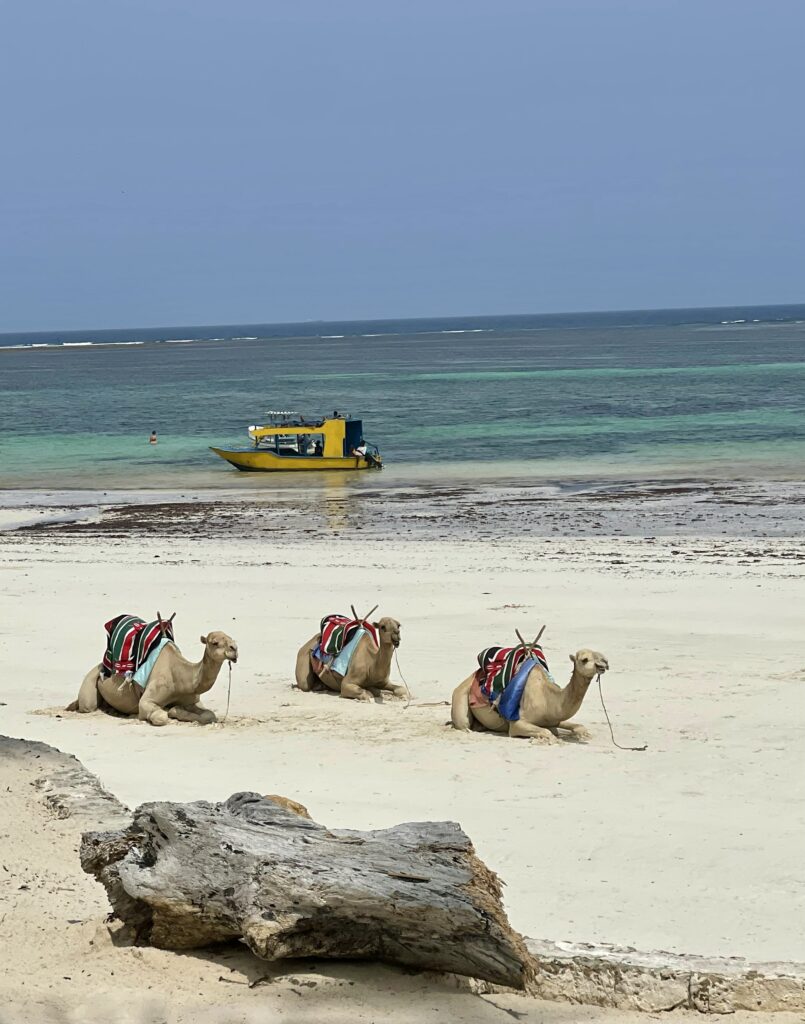
Week Two: Diani Beach, Kenya. A full week on Kenya’s southern coast, an hour below Mombasa. This was the transition — the deliberate shift from safari intensity to coastal ease. Swahili architecture, fresh seafood, sundowners over the Indian Ocean, and a pace that allowed the Serengeti to settle into memory.
Week Three: Zanzibar, Tanzania. A return to Tanzania, but to a completely different world. Stone Town’s narrow streets, spice markets, Indian Ocean cuisine, and the particular quiet of island life. Zanzibar functions as the exhale after the inhale of the mainland.
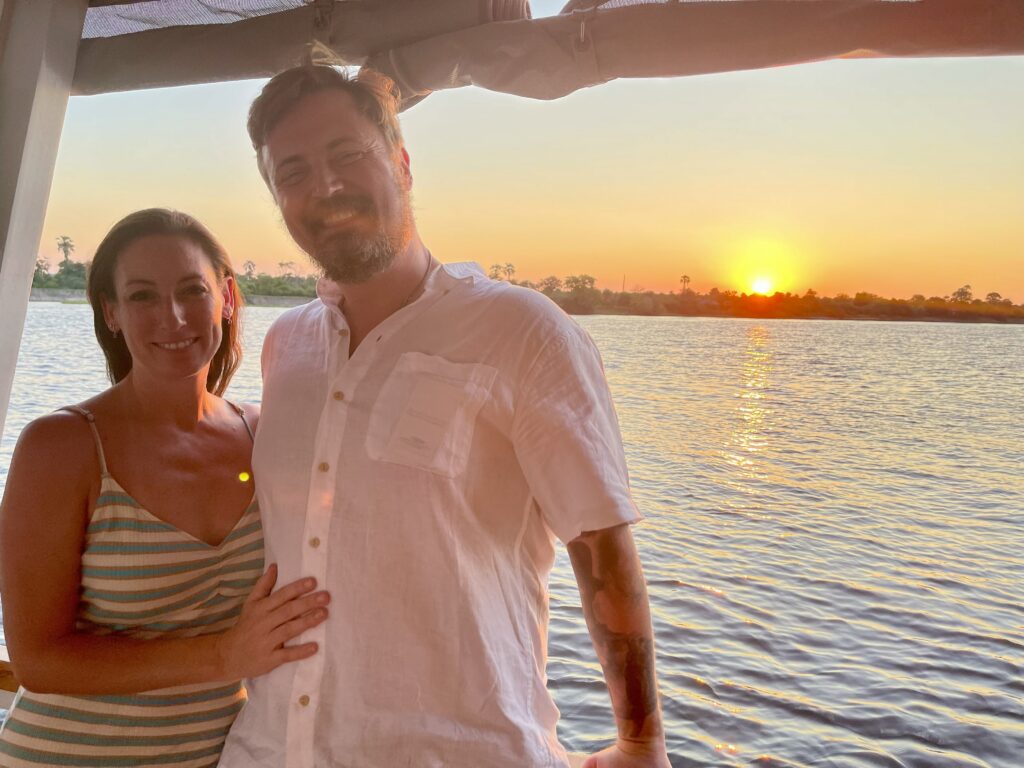
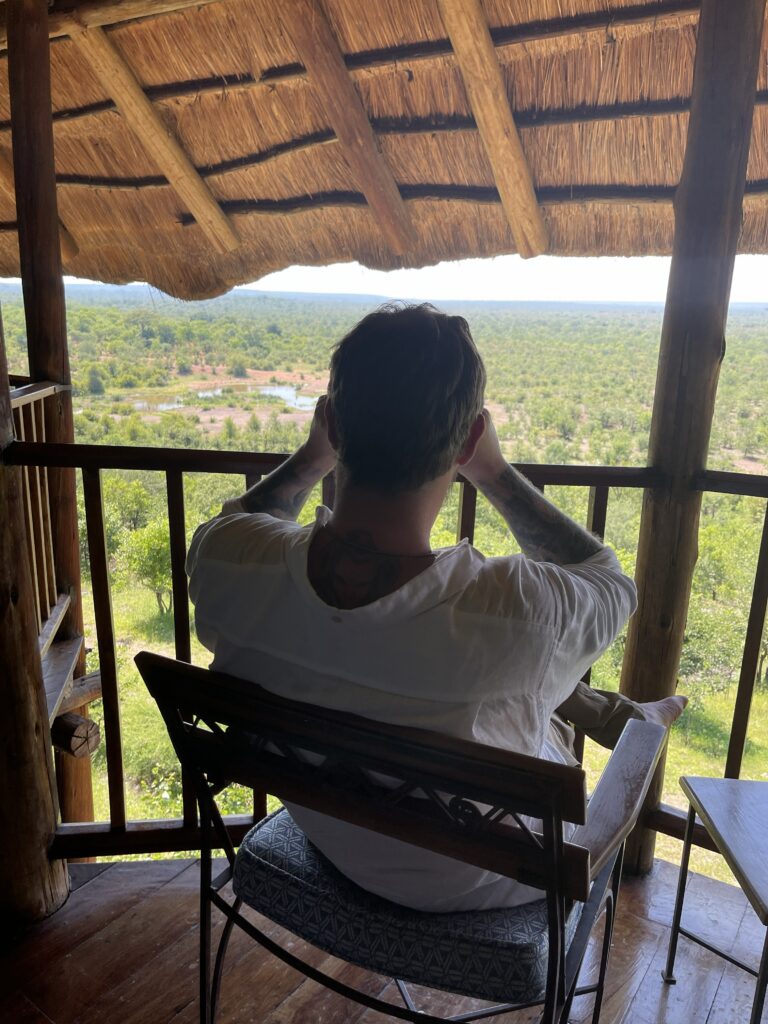
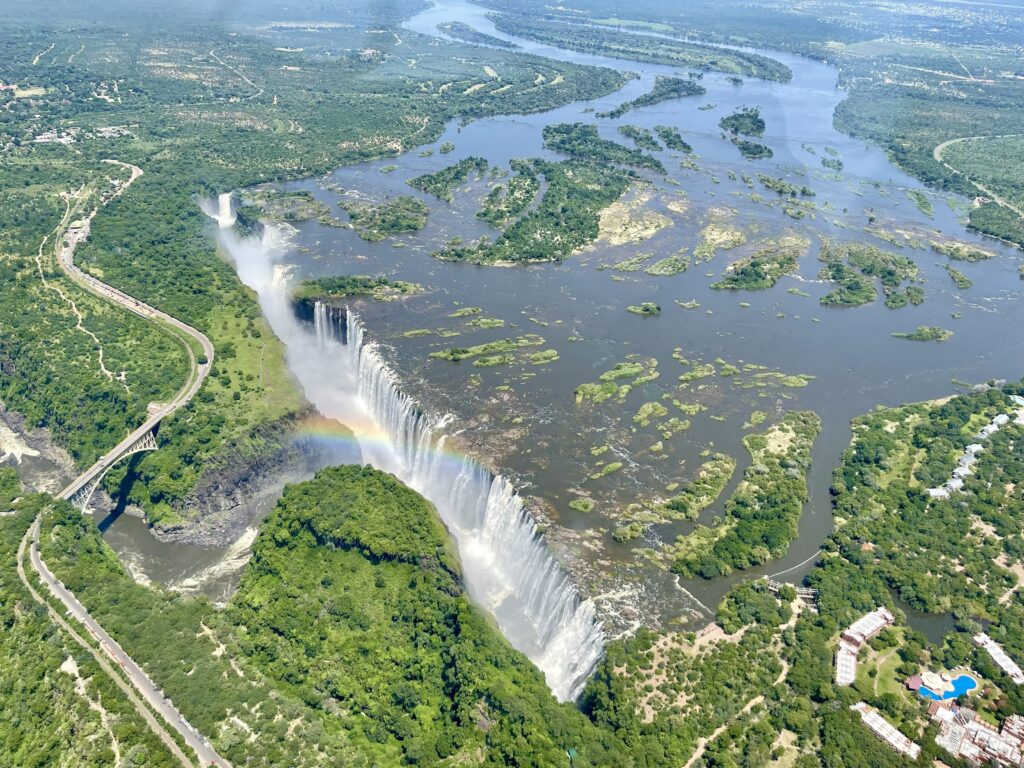
Week Four: Zimbabwe, Zambia, Botswana. Victoria Falls from both the Zimbabwe and Zambia sides. A helicopter tour above the gorge. A sunset dinner cruise on the Zambezi. A day safari in Chobe National Park. This final week was the crescendo — concentrated, dramatic, and structured around a single natural wonder experienced from every possible angle.

What East Africa Does Differently
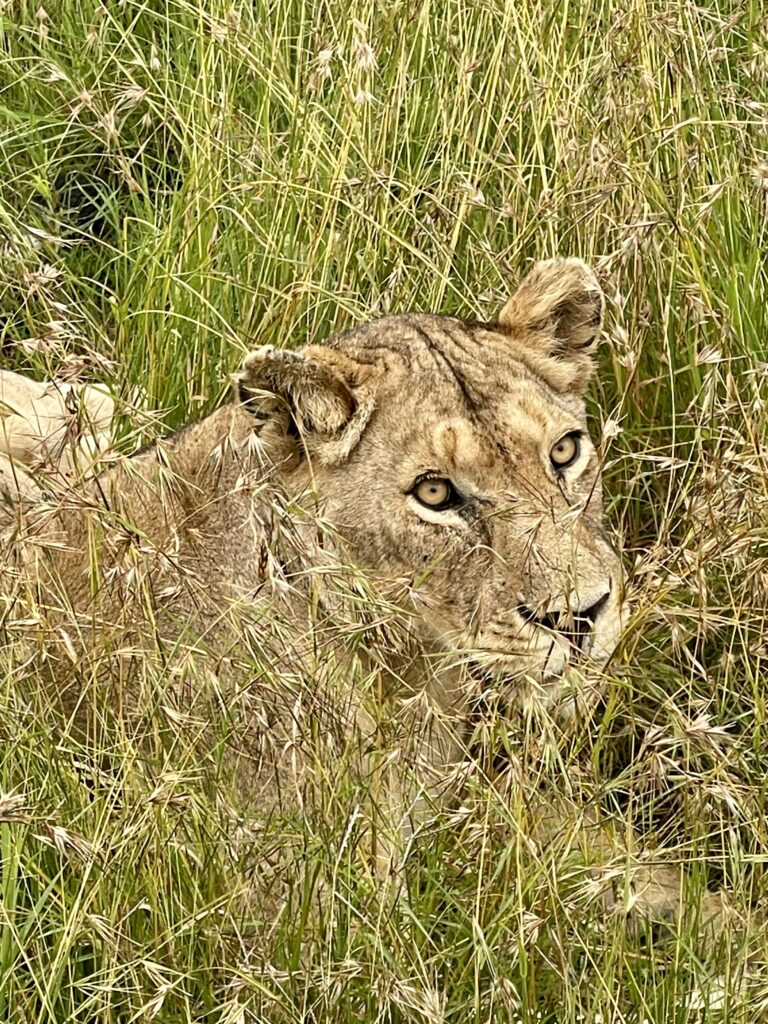
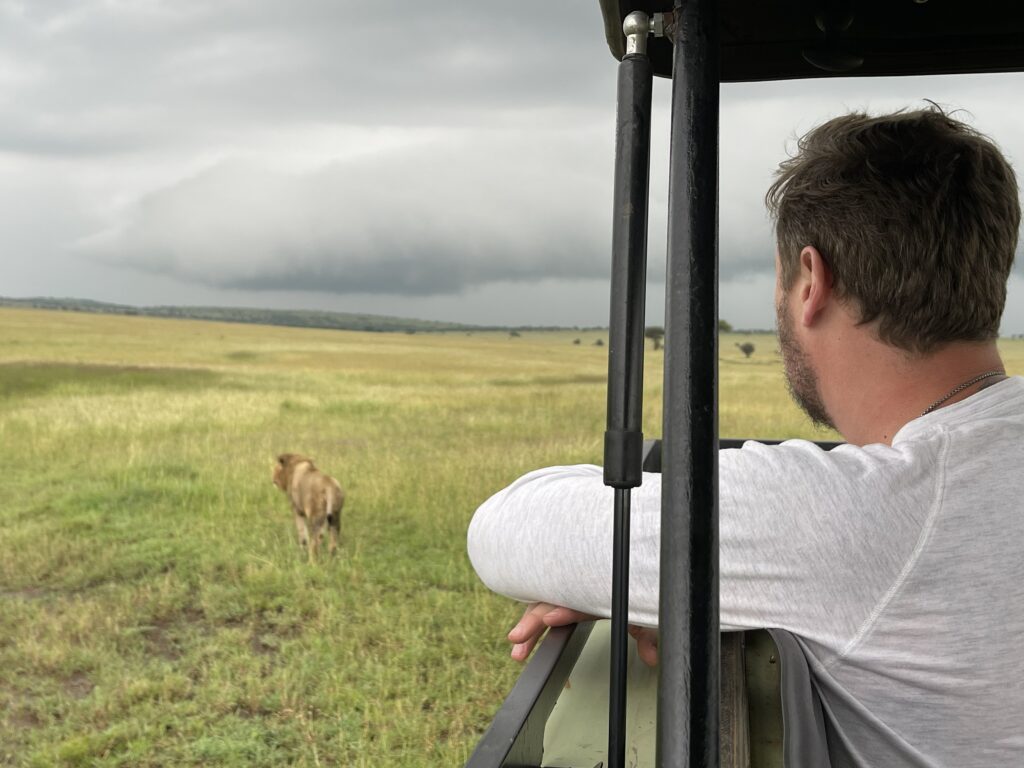
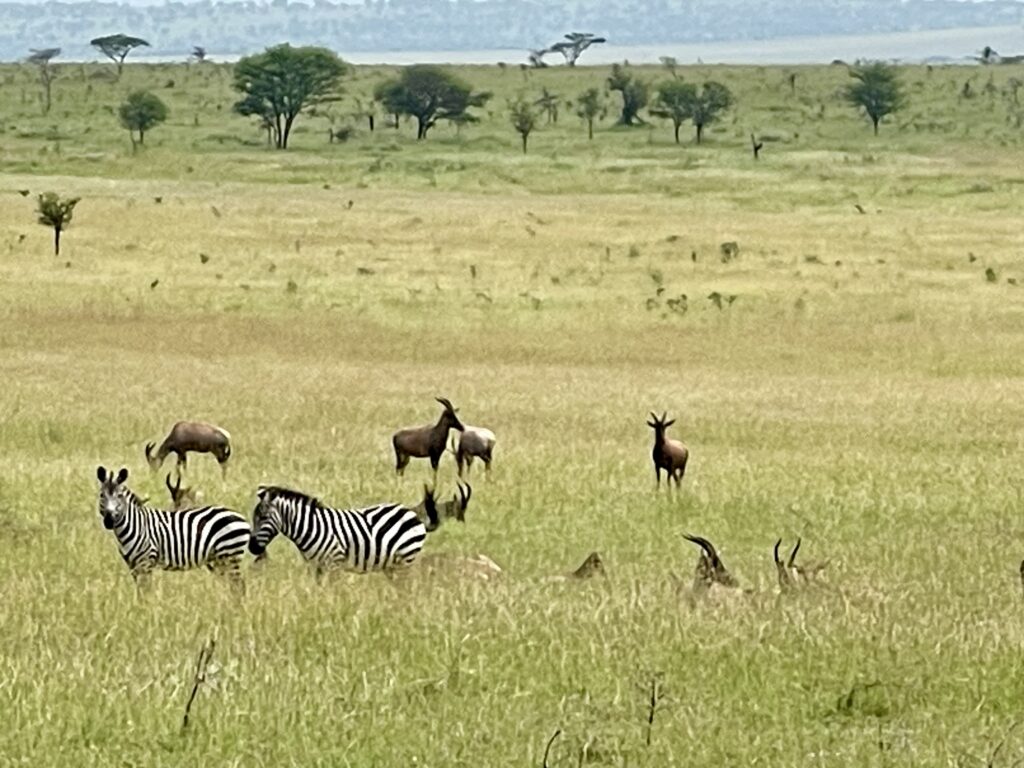
East Africa’s safari experience is defined by scale. The Serengeti doesn’t present wildlife in convenient groupings — you drive for hours across the savannah, scanning the grasslands, trusting your driver’s instincts, and then suddenly you’re watching twenty female lions bound through the tall grass like dolphins cutting through waves. The encounters feel earned.
The bush planes that connect Arusha to the Serengeti are part of the experience, not just logistics. You land on a grass runway, and your first game drive begins at the airstrip. There’s no resort lobby, no welcome drink, no buffer zone. The transition from civilization to wilderness happens in the time it takes to load your bag into a Land Cruiser.
And the Kenyan coast — specifically Diani Beach — offers something that Zanzibar doesn’t: an authentically East African coastal experience that hasn’t been polished into an international resort destination. The Swahili architecture, the cave restaurants, the island day trips to places like Chale Island — these feel rooted in the place, not layered on top of it.
What Southern Africa Does Differently
Southern Africa compresses its drama. Victoria Falls is a mile wide, but you experience it at close range — standing in the spray, flying above the gorge, floating alongside hippos on the Zambezi. The encounters are more immediate and more structured. You book a helicopter tour, a dinner cruise, a guided walk along the gorge. The experiences are orchestrated, and the orchestration is part of what makes them work.
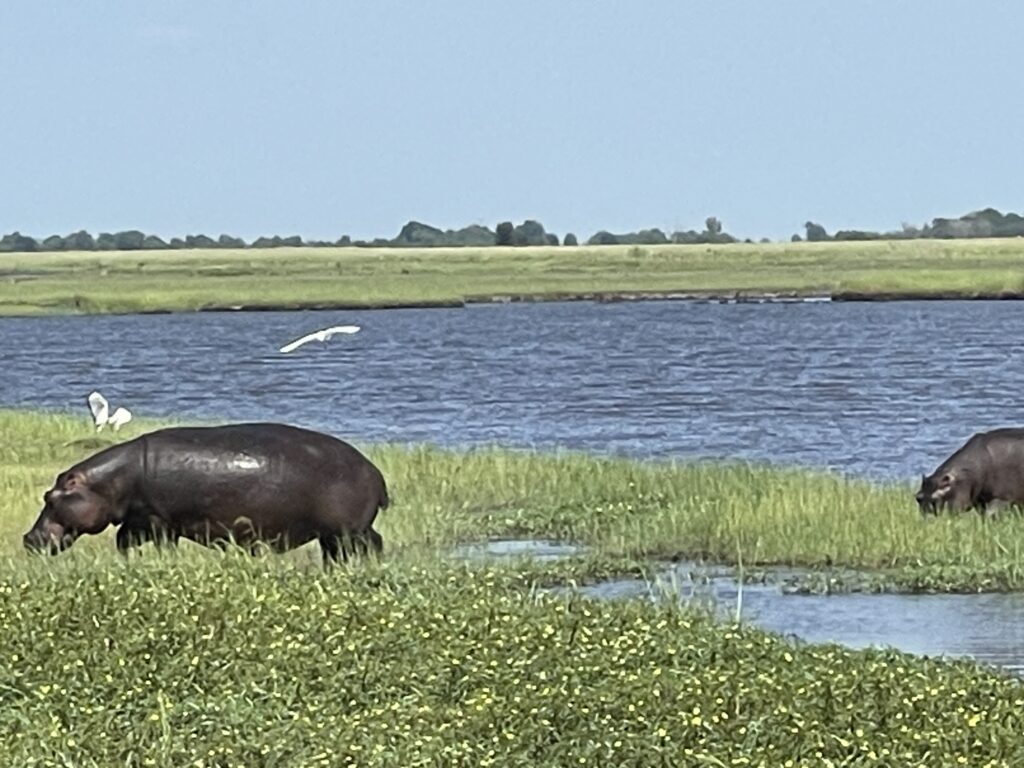
The Chobe day trip illustrated this perfectly. In a single day, we drove through savannah, watched elephant herds along the riverbank, ate lunch beside the Chobe River, and then saw the same landscape from a boat. The concentration of wildlife in a small geographic area — particularly the elephants — felt completely different from the Serengeti’s vast, dispersed herds.
The border crossings between Zimbabwe, Zambia, and Botswana were unexpectedly simple, and Zimbabwe’s tourism infrastructure has improved dramatically. Laws curtailing aggressive solicitation of tourists have changed the ground-level experience. The Zimbabwe I returned to was markedly different from the one I visited twenty years ago — more welcoming, more composed, and easier to navigate.
What I’d Tell a Client Planning Their First Africa Trip
If you have two weeks, choose one region. East Africa (Serengeti plus coast) or Southern Africa (Victoria Falls plus Botswana or South Africa) — either one makes a complete trip. Trying to do both in under three weeks creates too much transit and not enough time to absorb what you’re seeing.
If you have three to four weeks, combine them. The sequencing matters: start with safari (the most demanding segment), transition through a coastal or beach stay, and finish with a concentrated experience like Victoria Falls. The trip builds toward its conclusion rather than fading out.
Build in transitions. The mistake most itineraries make is jumping directly from safari to the next safari, or from one intense experience to another. The beach portions of our trip — Diani and Zanzibar — weren’t filler. They were structural. They gave us time to process what we’d seen and arrive at the next experience with fresh attention.
Use private drivers and request continuity. Having the same driver for your safari stay — someone who learns your interests and adjusts the drives accordingly — transforms the quality of the experience. The same applies to transfers between countries: a driver who does the border crossings regularly will save you time and anxiety.
Fly between segments whenever possible. Internal flights in East Africa are efficient and often part of the adventure (bush planes are unforgettable). Do not take the Dar es Salaam-to-Zanzibar ferry. The time, cost, and stress savings of flying are worth it.
The continent has changed. If your last impression of Africa is more than a decade old, recalibrate. Zimbabwe’s tourism environment has improved dramatically. Tanzania’s safari infrastructure is more sophisticated than ever. And places like Diani Beach offer a level of coastal refinement that the international travel conversation hasn’t caught up to yet.
The Trip in Summary
A month. Five countries. A journey that began in the Serengeti’s endless grasslands, moved through the warm Swahili coast, and ended at the edge of one of the world’s great waterfalls — viewed from the ground, the river, and the air.
What stayed with me wasn’t any single moment. It was the way the trip was structured — the pacing, the transitions, the deliberate alternation between intensity and rest. Africa rewards this kind of attention. It asks you to move at its pace, not yours. And when you do, it gives you back more than you expected.